Creates a barrier to stop pests from entering.
Maintains ongoing protection against infestations.
Targets and removes existing pests effectively.

“I built Colco to be more than service—we protect family across south Texas”
Founder & Certified Pest Control Specialist
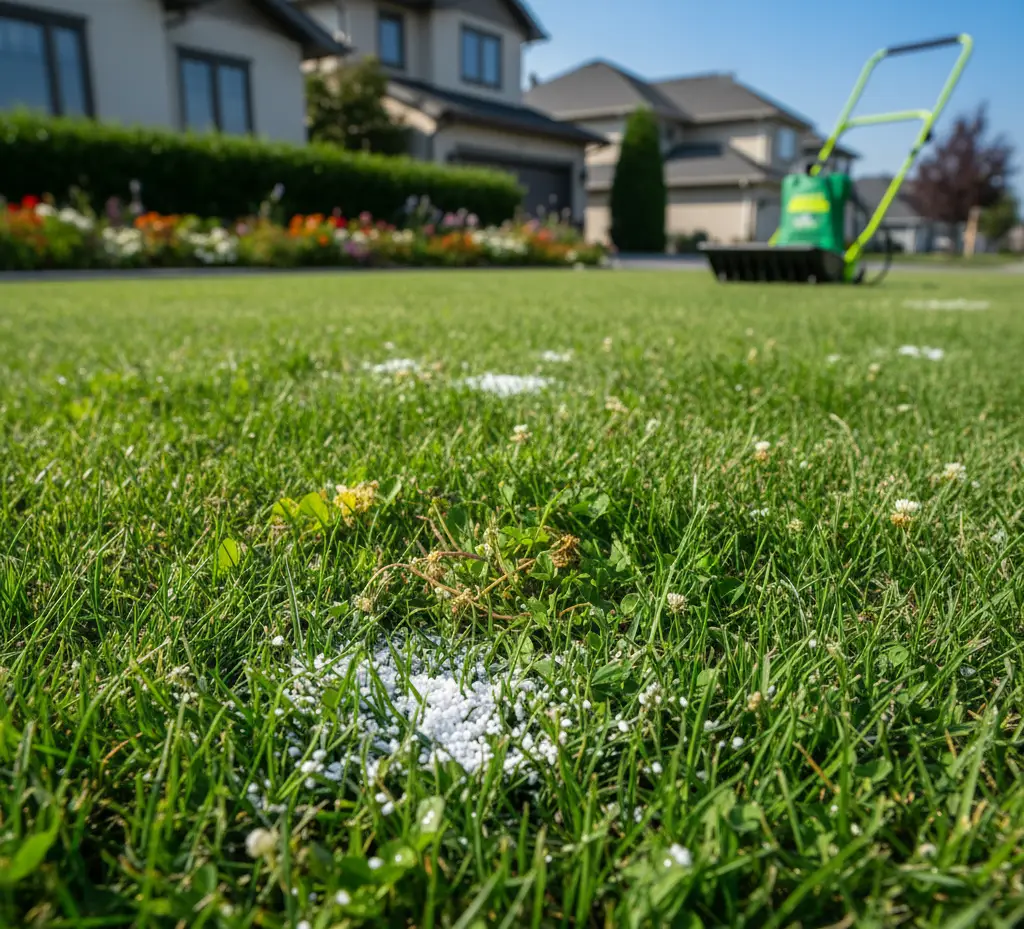
Look, maintaining a decent-looking lawn in South Texas isn’t easy. The heat, the drought stress, the weeds that seem to grow overnight after one good rain — it’s a constant battle. And if you’re not hitting your lawn with the right treatments at the right times, you’re fighting a losing war.
Colco Pest and Weed Control provides comprehensive weed control and fertilization services for McAllen residential and commercial properties. We know what works in our climate, what weeds you’re dealing with, and how to keep your St. Augustine or Bermuda grass healthy year-round.
Free Lawn Consultation: Call 956-777-6328 and we’ll evaluate your lawn and give you honest recommendations.
Year-Round Growing Season: Grass doesn’t go dormant here like it does up north. St. Augustine and Bermuda grass grow 10–11 months of the year, which means they need consistent fertilization to stay healthy.
Weeds Never Stop: We don’t get a killing freeze to knock back weed populations. Winter weeds, summer weeds, transition weeds — something’s always trying to take over your lawn.
Heat Stress: Summers hit 95–105°F regularly. Without proper fertilization, grass gets stressed, thins out, and weeds move in to fill the gaps.
Soil Quality Issues: McAllen soil tends to be alkaline with high clay content in some areas. This affects nutrient availability and requires specific fertilization strategies.
Irrigation Challenges: Not enough water and grass dies. Too much water and you get fungus issues and shallow root systems. Proper fertilization helps grass develop deeper roots and handle stress better.
St. Augustine Struggles: St. Augustine is the most common lawn grass in McAllen, but it’s susceptible to chinch bugs, brown patch fungus, and iron deficiency (yellowing). Healthy, properly fertilized grass resists these problems better.
Dallisgrass: Clumpy, coarse-textured perennial that grows faster than your lawn grass. Forms distinctive seed heads that stick up above mowing height. Extremely difficult to control — requires multiple treatments.
Nutsedge (Yellow and Purple): Not actually a grass — it’s a sedge. Triangular stems grow faster than grass and spread through underground tubers. Mowing doesn’t help; it just grows back. Needs specific herbicides.
Crabgrass: Summer annual that germinates when soil temps hit 55°F (March in McAllen). Forms wide, sprawling patches. Prevention with pre-emergent is far easier than trying to kill it after it’s established.
Spurge (Spotted and Prostrate): Low-growing, mat-forming weed with small leaves. Loves hot, dry conditions and thrives in thin lawns. Produces thousands of seeds per plant.
Goosegrass: Similar to crabgrass but tougher. Forms circular patches that spread from a central point. Tolerates close mowing and compacted soil.
Dandelions: Cool-season perennial. Shows up in winter when grass is slower-growing. Deep taproot makes hand-pulling ineffective — it just grows back.
Clover (White Clover): Low-growing, spread by stolons. Attracts bees and creates uneven texture. Shows up in nitrogen-deficient lawns.
Doveweed: Summer annual that loves moist, over-irrigated areas. Spreads rapidly and produces tons of seeds.
Oxalis (Wood Sorrel): Small, clover-like leaves with yellow flowers. Spreads by seed and underground bulbs. Very persistent.
We customize programs based on your grass type, weed pressure, and budget. Here’s what a typical annual program looks like:
Treatment 1 — Early Spring (February/March)
Treatment 2 — Late Spring (April/May)
Treatment 3 — Early Summer (June/July)
Treatment 4 — Late Summer (August/September)
Treatment 5 — Fall (October/November)
Treatment 6 — Winter (December/January) — Optional
Most lawns do well with 4–6 treatments per year. We’ll recommend what makes sense for your property. Contact us to get started.
Pre-Emergent: Applied before weeds germinate. Creates a chemical barrier in the top layer of soil that prevents weed seeds from developing roots — think of it as birth control for weeds. Timing is critical. Apply too late and weeds are already growing. Pre-emergent does not kill existing weeds.
Post-Emergent: Applied to actively growing weeds. Some are selective (kill weeds but not grass), others are non-selective (kill everything). Works best on young, actively growing weeds.
You need both for complete weed control. Pre-emergent prevents most weeds; post-emergent kills the ones that slip through.
Nitrogen: Promotes green growth and density. St. Augustine needs 3–4 pounds of nitrogen per 1,000 sq ft per year, split across multiple applications. Too much at once causes excessive growth and thatch buildup.
Phosphorus: Supports root development. Most McAllen soils have adequate phosphorus, so we focus on nitrogen and potassium.
Potassium: Helps grass handle stress — heat, drought, disease. Especially important going into summer and winter.
Iron: St. Augustine grass in alkaline soil often shows iron deficiency (yellowing). We apply iron supplements to keep grass dark green without excessive growth.
Slow-Release Formulas: We use slow-release fertilizers that feed grass over 6–8 weeks. Quick-release fertilizers give a fast green-up but burn out quickly and increase mowing frequency.
Mow High: Set your mower to 3–4 inches for St. Augustine, 2–3 inches for Bermuda. Taller grass shades soil, reduces weed germination, and develops deeper roots.
Water Deep and Infrequent: Better to water 1 inch twice a week than a little bit every day. Deep watering encourages deep root growth. Shallow, frequent watering creates weak, shallow roots.
Sharpen Mower Blades: Dull blades tear grass instead of cutting it cleanly. This stresses grass and creates entry points for disease.
Don’t Bag Clippings: Leave clippings on the lawn unless they’re excessive. They decompose and return nutrients to the soil.
Address Bare Spots: Thin areas invite weeds. Overseed bare spots in spring or fall to maintain density.
Don’t Cut Wet Grass: Wet grass clumps, mower wheels compact soil, and you risk spreading fungus. Wait until the grass dries.
We offer botanical (plant-based) weed control options for customers who prefer them. Here’s the honest reality:
Pros: Lower toxicity, break down quickly in the environment, safer around kids and pets immediately after application.
Cons: Less effective than synthetic herbicides, require more frequent applications, higher cost per treatment, and work best on young, tender weeds.
If you want organic options, we can do it — just understand it requires more patience and more treatments to achieve the same results. Call us to discuss what’s right for your lawn.
We handle commercial properties including office complexes, retail centers, apartment communities, HOA common areas, industrial facilities, schools, and churches. Commercial properties have different needs — larger areas, more foot traffic, stricter appearance standards. We customize programs based on property type, budget, and expectations. View our full commercial pest and weed control services or call us to discuss a commercial lawn care program.
Full Lawn Maintenance: We don’t mow, edge, or trim. We focus on weed control and fertilization. If you need a full-service lawn company, we can recommend partners.
Landscaping Design/Installation: We treat lawns — we don’t design landscapes or install plants.
Irrigation Repair: We’ll tell you if irrigation issues are affecting your lawn, but we don’t repair sprinkler systems.
Weed Control Takes Time: Expect to see results in 7–14 days after post-emergent treatment. Some tough weeds like dallisgrass and nutsedge need multiple treatments.
Pre-Emergent Isn’t Perfect: Pre-emergent prevents 80–90% of weeds. You’ll still get some breakthrough weeds that need spot treatment.
Fertilization Results: You’ll see greening in 5–10 days. Full density improvement takes 4–6 weeks of consistent growth.
Seasonal Appearance: Even with perfect care, lawns look best in spring and fall. Summer heat stress and winter slow-growth periods affect appearance — that’s just South Texas.
We provide weed control and fertilization services across the Rio Grande Valley, including McAllen, Mission, Edinburg, Pharr, Weslaco, Alamo, Alton, Harlingen, Brownsville, and surrounding communities. View our full service areas to confirm we cover your location.
Call Colco at 956-777-6328 for your free lawn consultation. We’ll evaluate your property, identify weed issues, and recommend a treatment program that fits your budget.
No high-pressure sales, no gimmicks — just honest lawn care that keeps your grass healthy and weeds under control.

Tri-Vor-Guard Technology is our advanced pest control system, combining three powerful lines of defense to protect homes and businesses across the Rio Grande Valley.
This innovative approach delivers complete, long-term protection, tackling current infestations while preventing future pest problems. With Tri-Vor-Guard, you can count on reliable, year-round defense against the most common threats in South Texas.
Posted on Google
 TakerJoes
Trustindex verifies that the original source of the review is Google.
I can’t say enough good things about Colco Pest and Weed Control! I had a pest issue that was driving me crazy, and they completely took care of it. From the moment they arrived, they were friendly, professional, and really knew their stuff. They inspected everything carefully, explained what was causing the problem, and treated every spot with precision. Within just a few days, I noticed a huge difference the pests were completely gone in all areas except 1, so i called back and let them know about it and they immediately took care of the issue. What impressed me most was how respectful and detail-oriented they were, making sure the job was done right and that I was satisfied before leaving. It’s rare to find a company that actually takes pride in their work they do now a days. If you’re in the McAllen to La Joya area and need reliable pest control, don’t waste time calling anyone else these are the people to go with. 100% recommend! Better yet I'm gonna call back right now so they can also treat the ugly weeds outside.Posted on Google Cristina EspinozaCody with Colco was very informative with explaining what he would need to do for the issue I had for indoor and outdoor pests - specifically for German roaches and fleas in the yard. I started seeing results the same day. I'm very satisfied with Colco and will continue to use their services.Posted on Google
 Martin TorresAwesome company, they explain everything by detail in a very professional way. I greatly recommend this company to anyone who is having problems with any infestation of any kind of insects. Thank you so much for your service and looking forward in seeing you again. 🙂🙂🙂🙂Posted on Google
 Cassandra ReynaCody was quick and efficient. He answered on the first call and he made an appointment while on the phone because he knew I was requesting as soon as possible. He explained what he was going to do and took care of a small bee issue as well without hesitation.Posted on Google
 Silvia RobinsonDedicated to their work. Always in time. Listens to our needs for the yard. Our yard looks better and better and less weeds. Would highly recommend their work.Posted on Google
 Richard GivensEasy to work with. Rains delayed the service several days. Explained what he was doing. Returned several days later to confirm the treatment worked.Posted on Google
 Zen RanchPunctual and great attitude attention to detail. Thank youPosted on Google
 Connie MendiolaVery professional service explained what he planned to do, and spoke of the expectation of results.Posted on Google
 Lance RobertGreat customer service 👏 👌 👍Showing our latest reviewsVerified by TrustindexTrustindex verified badge is the Universal Symbol of Trust. Only the greatest companies can get the verified badge who has a review score above 4.5, based on customer reviews over the past 12 months. Read more
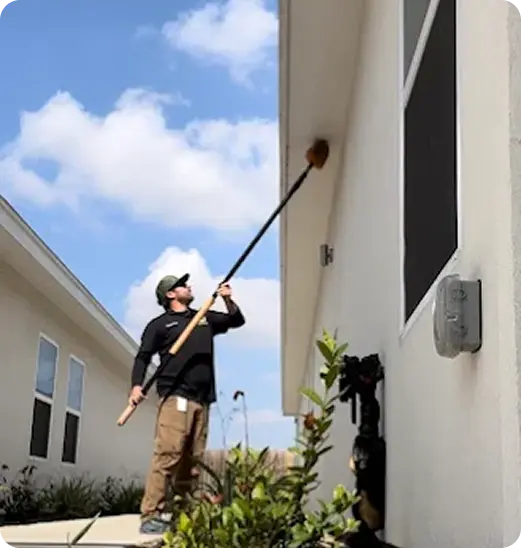


Creates a barrier to stop pests from entering.
Maintains ongoing protection against infestations.
Targets and removes existing pests effectively.


We begin with a detailed inspection of your home or business to pinpoint the source of the problem. This helps us understand exactly what you’re dealing with.


We don’t just treat and leave — we provide prevention tips and follow-up support to keep your space pest-free for the long run. Ready to enjoy peace of mind? Contact us today for your free quote.
Colco Pest and Weed Control proudly serves the Lower Rio Grande Valley, including McAllen, Mission, Edinburg, Pharr, Alton, Weslaco, and Alamo, providing trusted residential and commercial pest and weed control solutions backed by years of local experience.